A personal archive for the life around the work: moving countries, languages, awards, memories, art, singing, and the small stories that do not need to become a professional argument.
Personal Archive
memories, language, place, creative life, and the person behind the portfolio
Beyond the Academic Journey
Not every meaningful part of university life belongs on a CV. This is a more personal collection of memories, languages, creative work, competitions, and small moments from the years around the academic journey.
Before Korea
From Venezuela to Korea
Before Korea, I graduated first in my high-school class in Venezuela, with a grade average of approximately 96%. That academic record became part of the path that led me to the Korean Government Scholarship (GKS) and to moving across the world for university.
Milestones & Memories
1 / 2
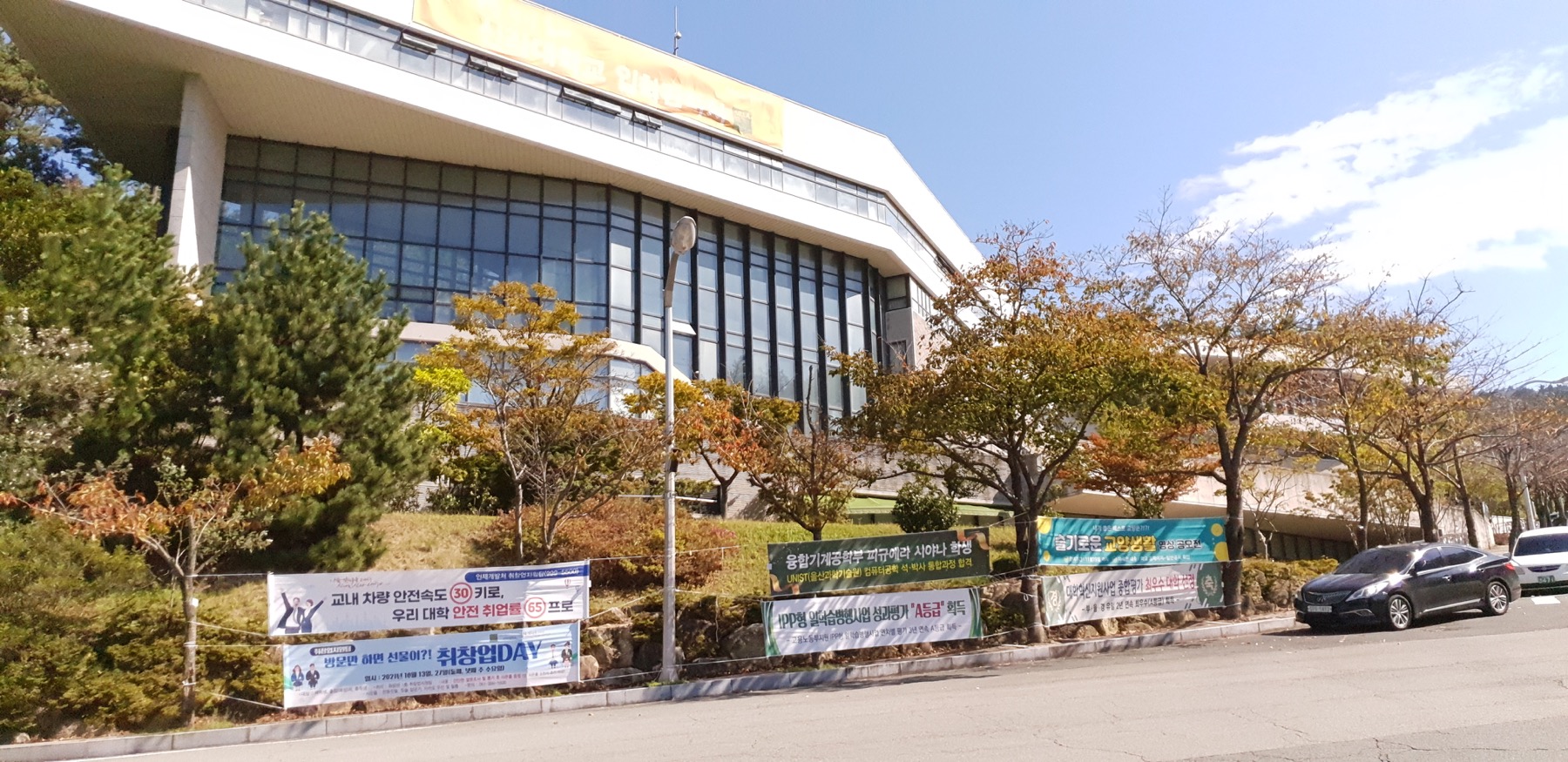
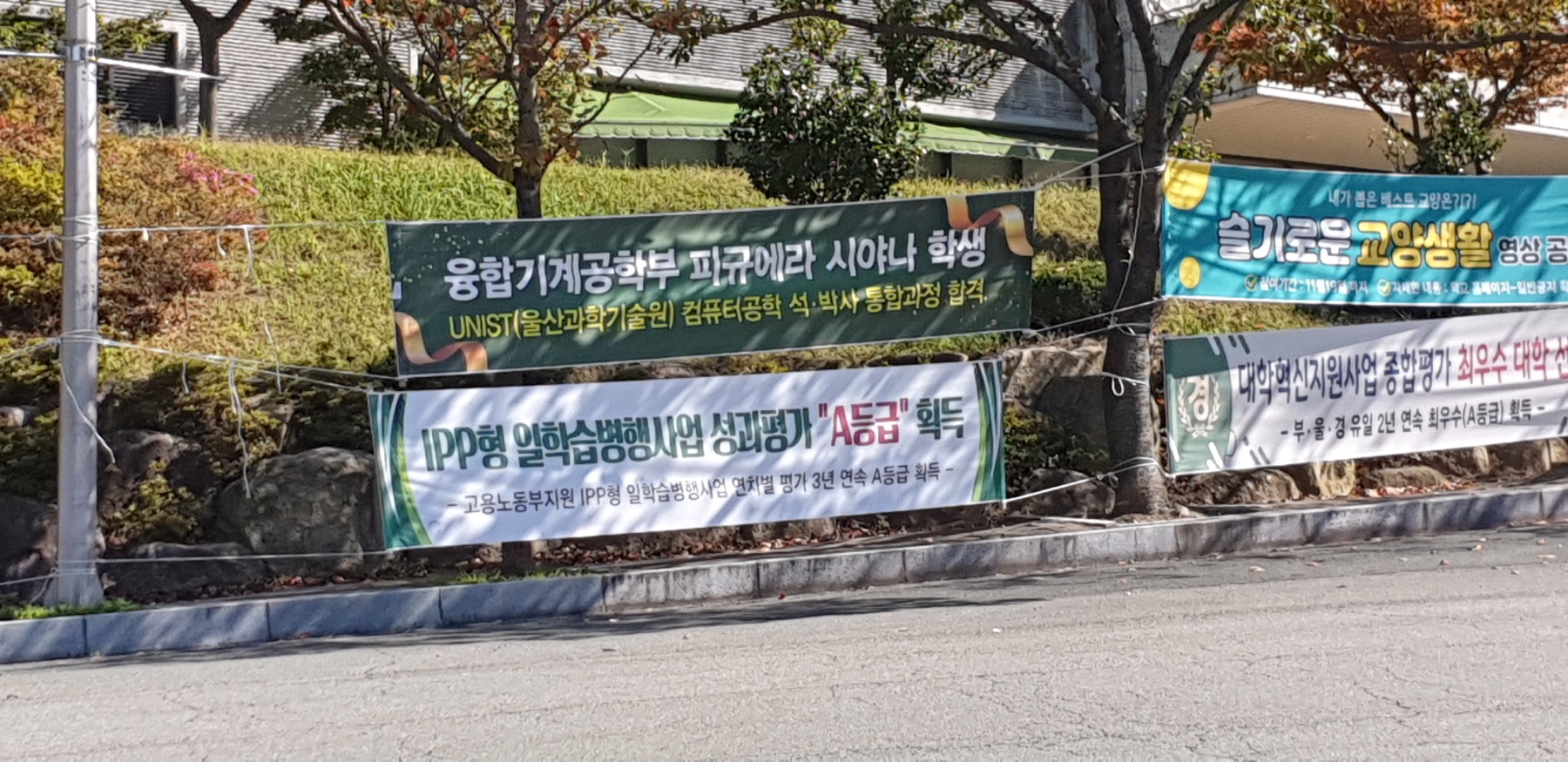
A banner I didn't expect
Silla University displayed my UNIST graduate-school admission on campus.
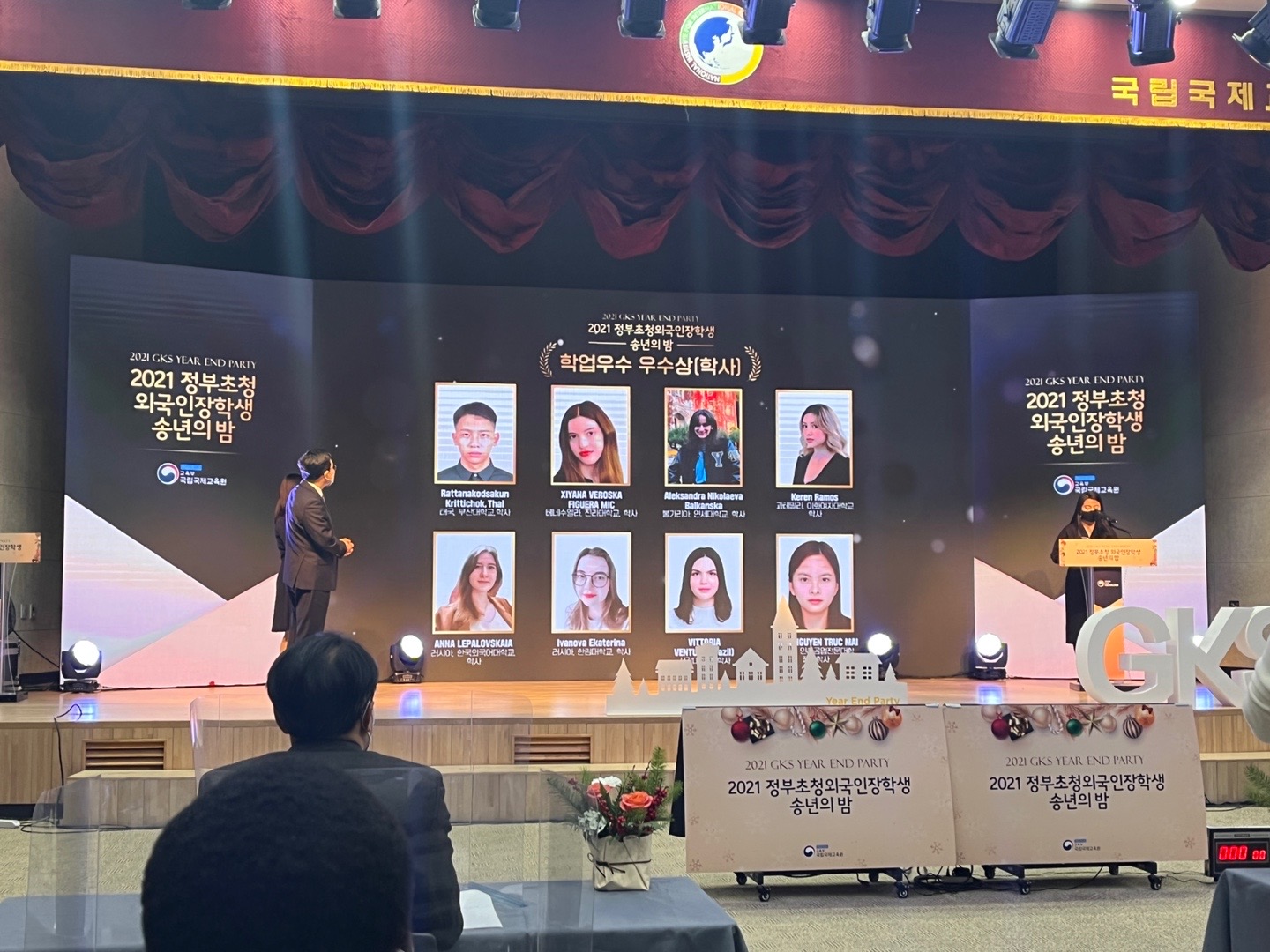
GKS Year-End Night — 2021
Seeing my photo on the stage screen when the academic-achievement awards were announced.
Outstanding Academic Achievement Award — Ministry of Education / NIIED, Republic of Korea
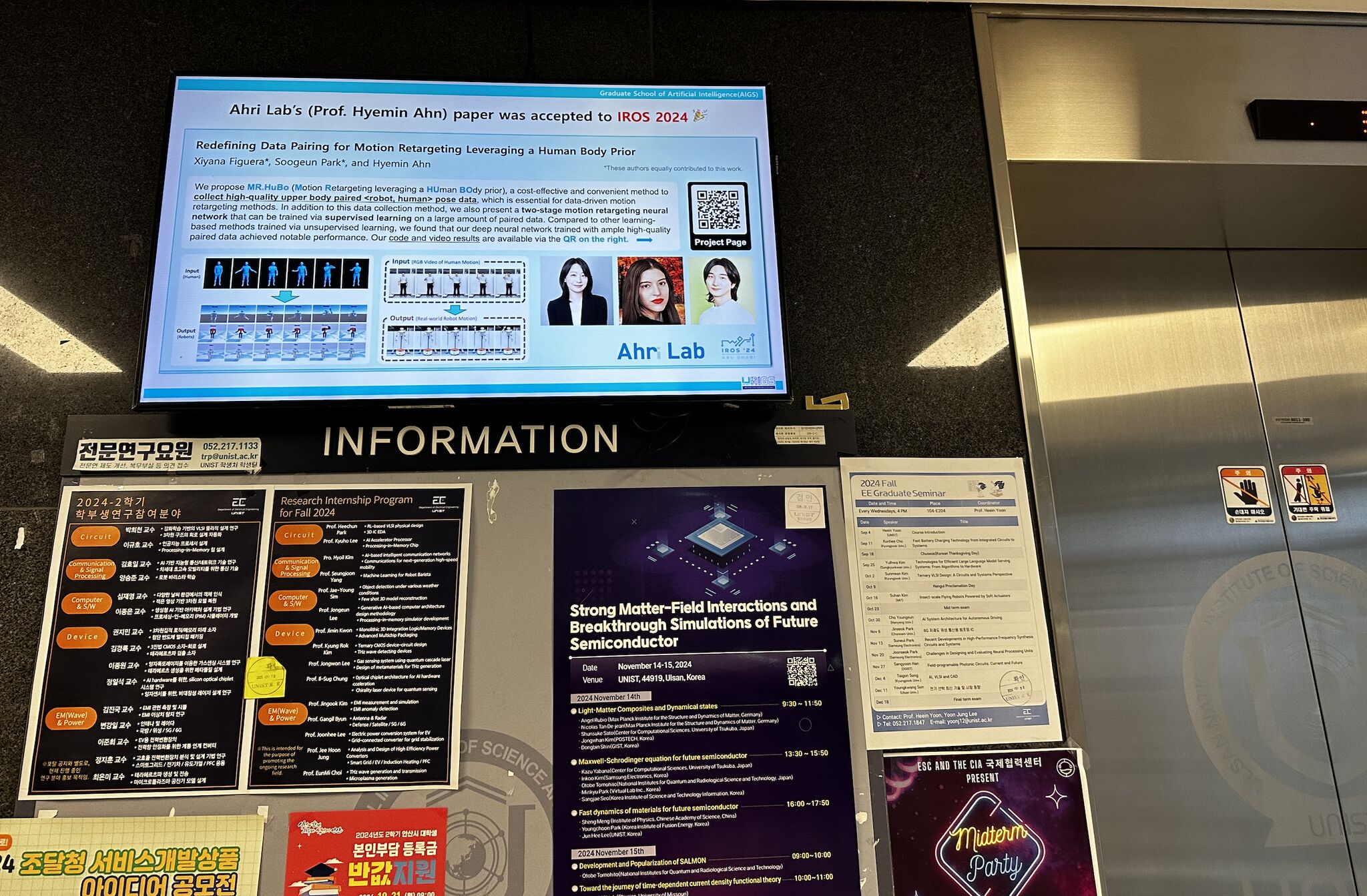
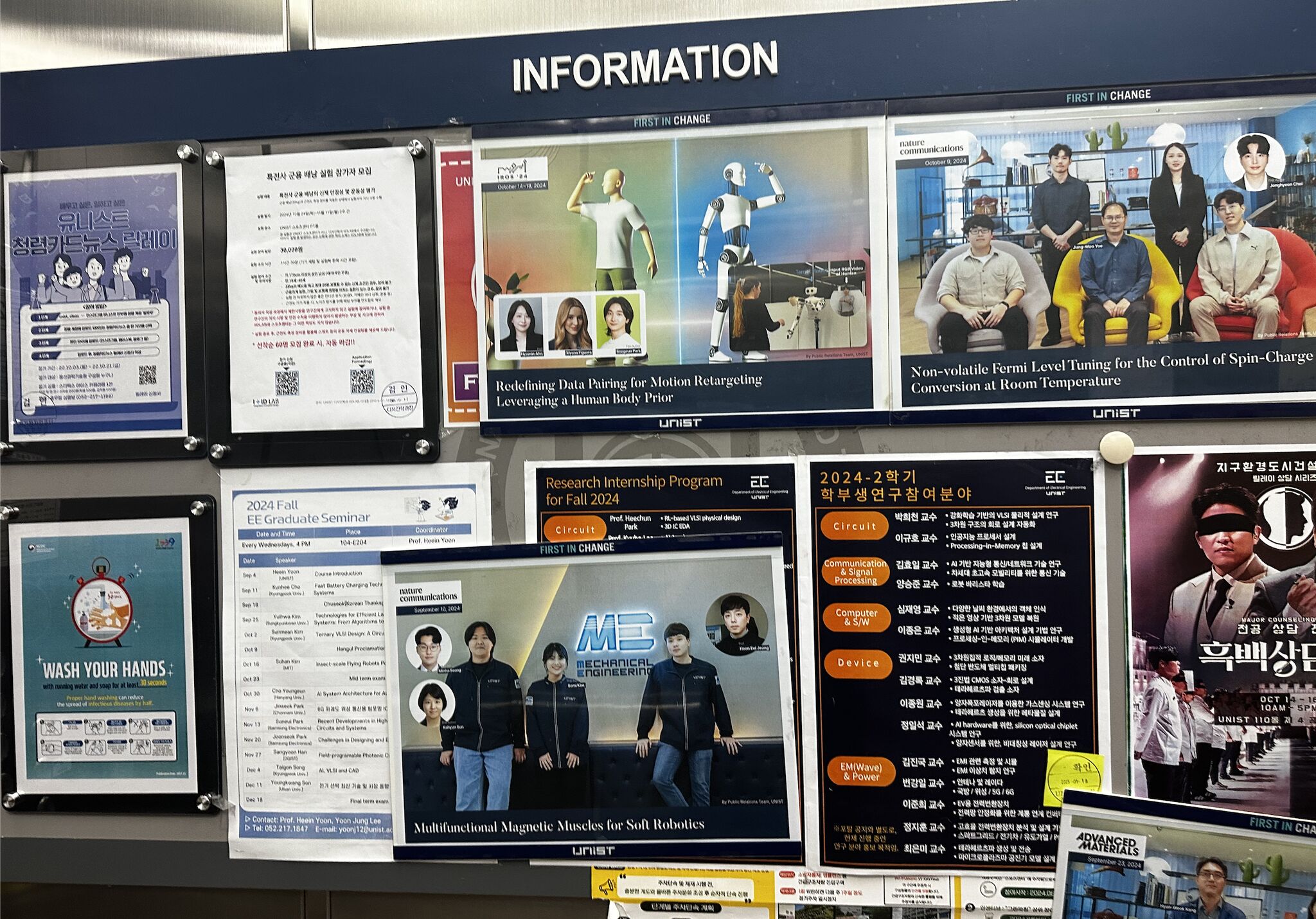
UNIST featured our IROS 2024 work on campus displays and research showcase boards.
1 / 2
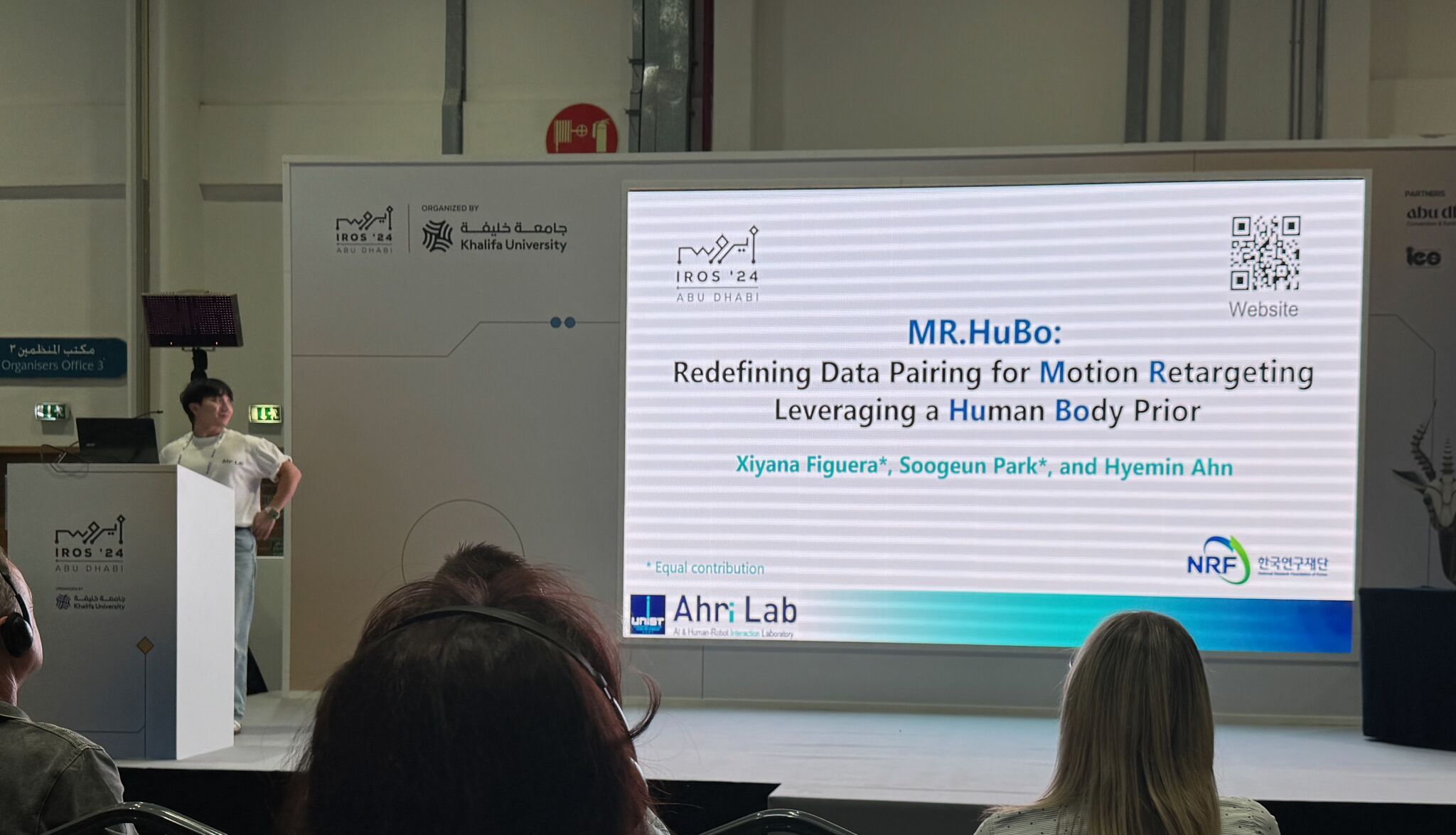
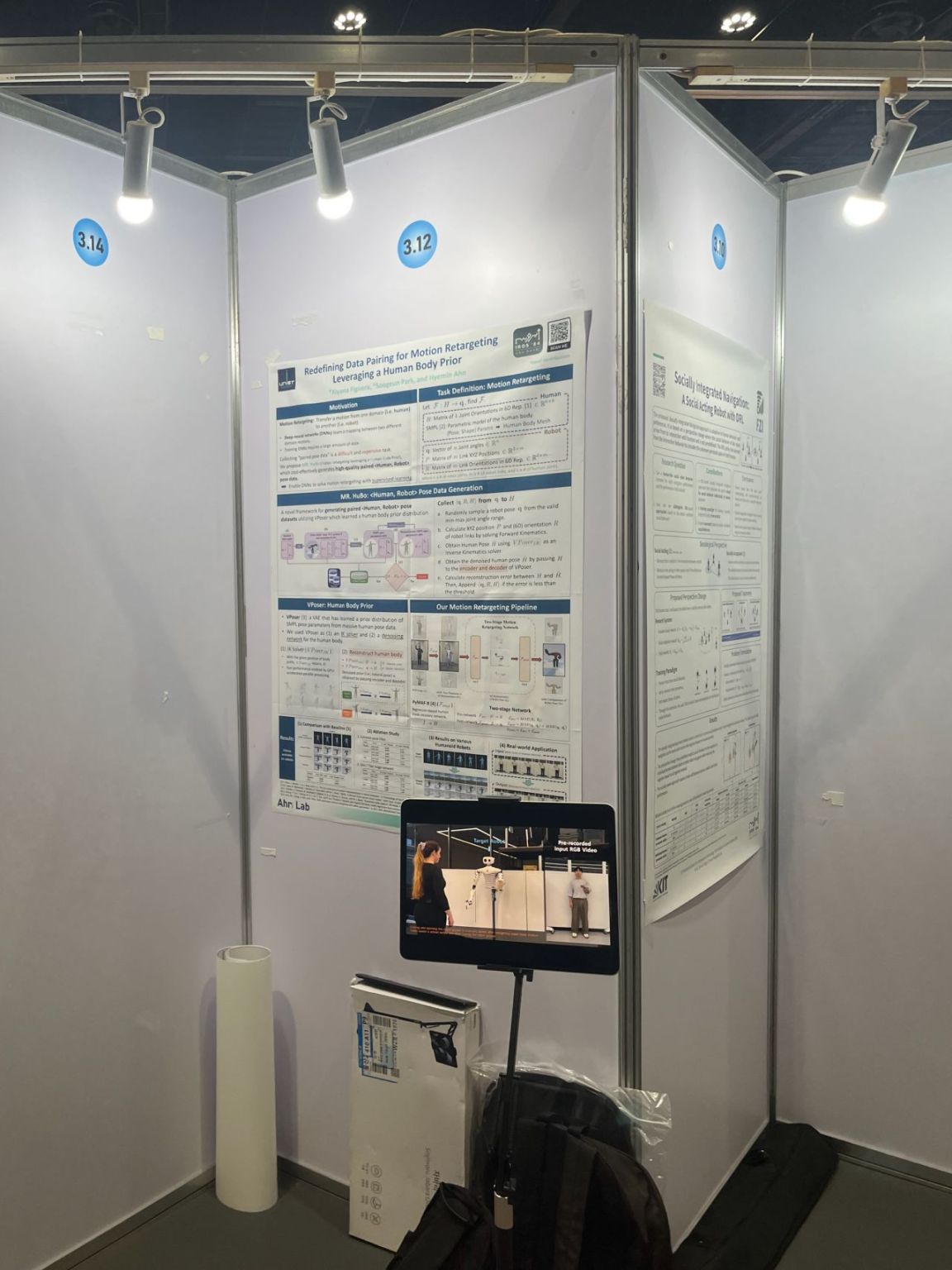
IROS conference memories
Poster setup and presentation moments from IROS 2024 in Abu Dhabi.
Languages Along the Way
Korean / TOPIK
Dec 2012 Started self-study in Venezuela
2015 Passed TOPIK Level 2 in Venezuela
NIIED language year Reached TOPIK Level 4
Autumn 2019 Reached TOPIK Level 6
I started teaching myself Korean in Venezuela in December 2012, at a time when Korean-learning resources in Spanish were almost nonexistent. I found one blog, Aprenspan, finished it too quickly, and then discovered the obvious next problem: most of the useful material was in English, and my English was not yet ready for that plot twist. So, naturally, I ended up learning Korean and English at the same time.
By 2015, I had passed TOPIK Level 2 in Venezuela. Later, during the NIIED Korean-language year at Pai Chai University, I reached TOPIK Level 4 within the first six months. I first reached TOPIK Level 6 during my undergraduate years in Korea, then had a very memorable Level 5 detour starring a large test center, a writing section, and an AirPod discovered in another examinee's bag at exactly the wrong time. While the room collectively waited for the situation to be handled, the clock kept doing what clocks do. The clock, specifically, was very rude about it. This would have been an excellent moment for one of Doraemon's gadgets that makes time slow down, but unfortunately the closest TOPIK-approved magical object I had was 수정테이프 (correction tape).
My unofficial TOPIK advice:
if you can choose, a smaller, well-organized test center is a beautiful thing. Also, about the water rule: a transparent plastic bottle with no label is probably not hiding the answers to the reading section. Unless someone has invented the Water of Wisdom, in which case I respect the innovation and would like the purchasing link.
English
2016 TOEFL 82 for my GKS application
UNIST application TOEFL 90
Final undergraduate year The vocabulary-card phase
May 2024 Duolingo English Test 145
September 2024 TOEFL 104
English, One Step at a Time
My first memorable TOEFL score was 82 in 2016, when I was preparing my application for the Korean Government Scholarship. I submitted it alongside my TOPIK Level 2 result at the time.
Years later, when I was preparing my application to UNIST, I took the TOEFL again and scored 90. During my final undergraduate year, I also became slightly obsessed with vocabulary. I worked through boxes of GRE vocabulary cards, going over them repeatedly and adding my own notes as I studied. They ended up making a noticeable difference in the range of English words I could understand and use.
In 2024, I tried the Duolingo English Test and scored 145 in May. A few months later, in September, I took the TOEFL again and scored 104.
I may have taken the TOEFL additional times over the years, but 82, 90, and 104 are the scores I remember most clearly because they mark very different stages of my academic life.
Click to see the vocabulary-card detail.
Final Undergraduate Year
A Vocabulary Phase
During my final undergraduate year, I became slightly obsessed with vocabulary. I worked through boxes of GRE vocabulary cards, going over them repeatedly and adding my own notes as I studied.
They ended up making a noticeable difference in the range of English words I could understand and use.
Duolingo English Test
The English Test I Actually Enjoyed
May 2024
145
Duolingo English Test
Of the English proficiency tests I have taken, the Duolingo English Test is the one I found most interesting in the way it evaluates language.
I like that it keeps mixing different skills instead of making the experience feel like a sequence of completely separate sections. Some of the questions feel a little strange at first, but once I got used to the format, it felt surprisingly natural.
I think it is particularly well suited to spontaneous people. The only problem with spontaneity is when you suddenly run out of ideas halfway through a timed response—and the clock is still running.
My Bookshelf
Books that taught me something, stayed with me, or simply became part of my life.
Learning AI
Books that shaped how I learned.
My first AI book
Introduction to Machine Learning with Python
The practical starting point that made machine learning feel close enough to build with.
This was my first AI book, so I am probably biased in its favor. It belongs to the period when I was trying to build enough practical foundation to move from engineering projects into machine learning.
I came to this book because I had already decided that I wanted to move toward AI and knew that I needed a stronger mathematical foundation to do it. While studying engineering, I deliberately took a Linear Algebra course outside my department and, in parallel, worked through Gilbert Strang's material and MIT lectures on my own.
At the time, this was not mathematics I was studying simply because it happened to be part of my curriculum. I had specifically gone looking for it because I wanted to understand the mathematics behind machine learning.
Looking back, I like what this book represents in my journey: one of the points when my interest in AI stopped being just an interest and started changing what I chose to study.
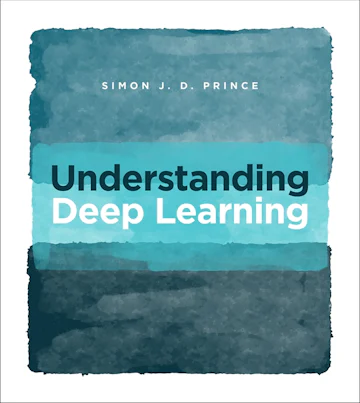
My advisor introduced this book to our lab, and we used it for biweekly lab classes.
It eventually became my favorite deep-learning book, not only because of the topics it covers, but because it was part of how we studied and discussed deep learning together as a research group.
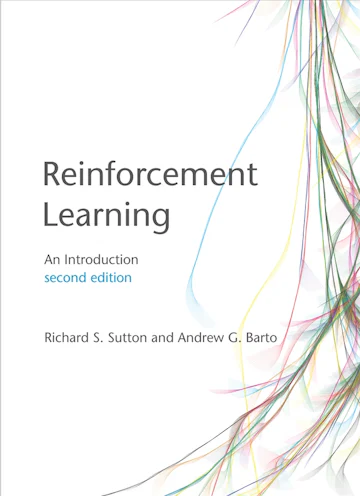
Sutton & Barto gave me an important theoretical foundation in reinforcement learning, but this was the book I personally enjoyed more for deep RL.
Its presentation made the subject feel more approachable and became an important part of how I learned it.
This has been one of the important books in my reinforcement-learning background.
I see it more as a foundational reference: the book that helped establish the concepts I later encountered again in deep reinforcement learning and graduate work.
The Little Prince has been my favorite book for as long as I can remember. I think it has much more depth than it is usually given credit for, perhaps because its simplicity makes it easy to treat primarily as a children's story.
What I love most is the way it exposes the ironies and inconsistencies of the world without becoming cynical or sarcastic about them. It looks at things that adults have learned to accept as perfectly normal and, from a much simpler perspective, makes you wonder why they should be normal at all.
I think that is part of why the book has stayed with me for so long: it can be gentle and almost innocent while still saying something surprisingly profound about the way we live.
The writing is deliberately simple because the book is intended for younger readers, but the story itself is what made me love it. I became genuinely invested in what was happening, and some of its plot twists caught me much more than I expected.
More than anything, I found the story genuinely moving. It is one of those books that reminds me that a story does not need complicated writing to have emotional weight.
Wishbone has a special place on my bookshelf for a reason that goes beyond the stories themselves. These were the first books I remember reading entirely in English and feeling that I could actually understand the whole book.
I had read things in English before, but there was a difference between understanding pieces of English and being able to follow an entire story from beginning to end. The Wishbone books were one of the first times I crossed that line.
Looking back, they became a small but important milestone in how I learned English: the point when reading a complete book in another language stopped feeling out of reach.
Outside the Lab
This part now has its own page, because art, singing, class projects, and little creative detours need more room than a single card row.